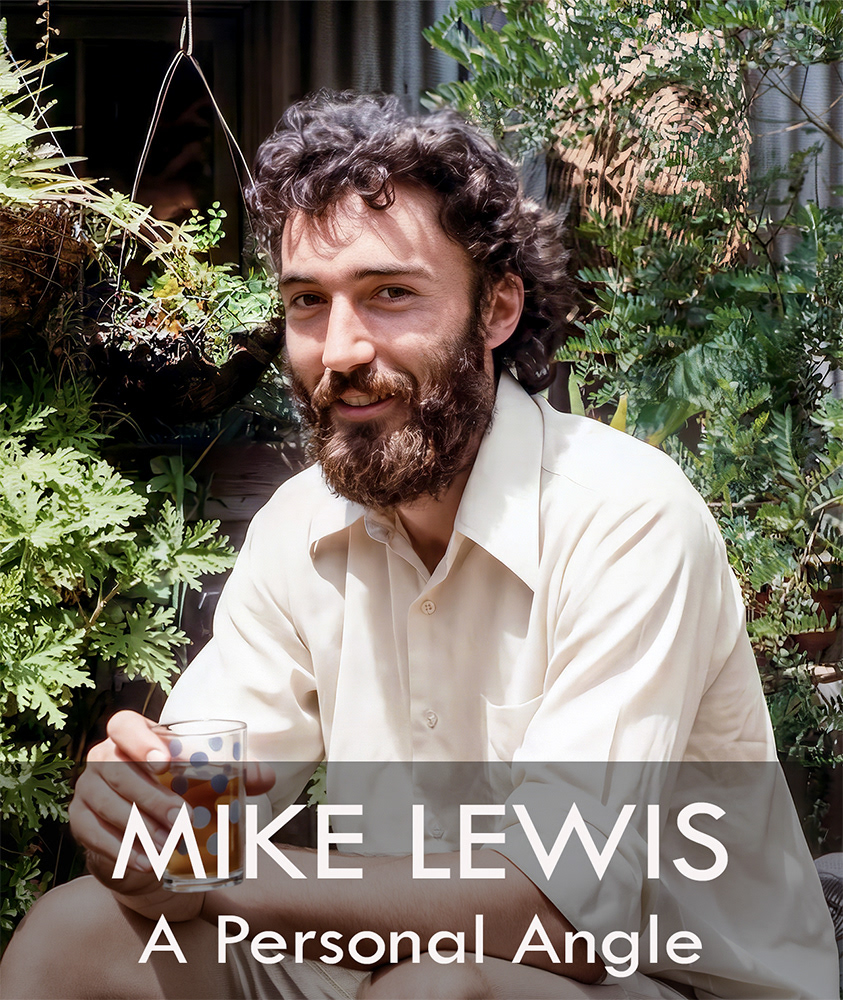
Student Theatre: Why get involved in the first place?
I knew no-one at La Trobe University when I arrived in 1978. All my friends were at Melbourne Uni or elsewhere. In my case, the motivation to get involved in student theatre was simple enough: just to make friends.
However, what I wasn’t prepared for was how many of the new friendships would turn out to be lifelong. Nor did I expect that along the way I would come to realise I gained as much, if not more, joy from enabling others as I did from pursuing any ambitions of my own.
However, what I wasn’t prepared for was how many of the new friendships would turn out to be lifelong. Nor did I expect that along the way I would come to realise I gained as much, if not more, joy from enabling others as I did from pursuing any ambitions of my own.
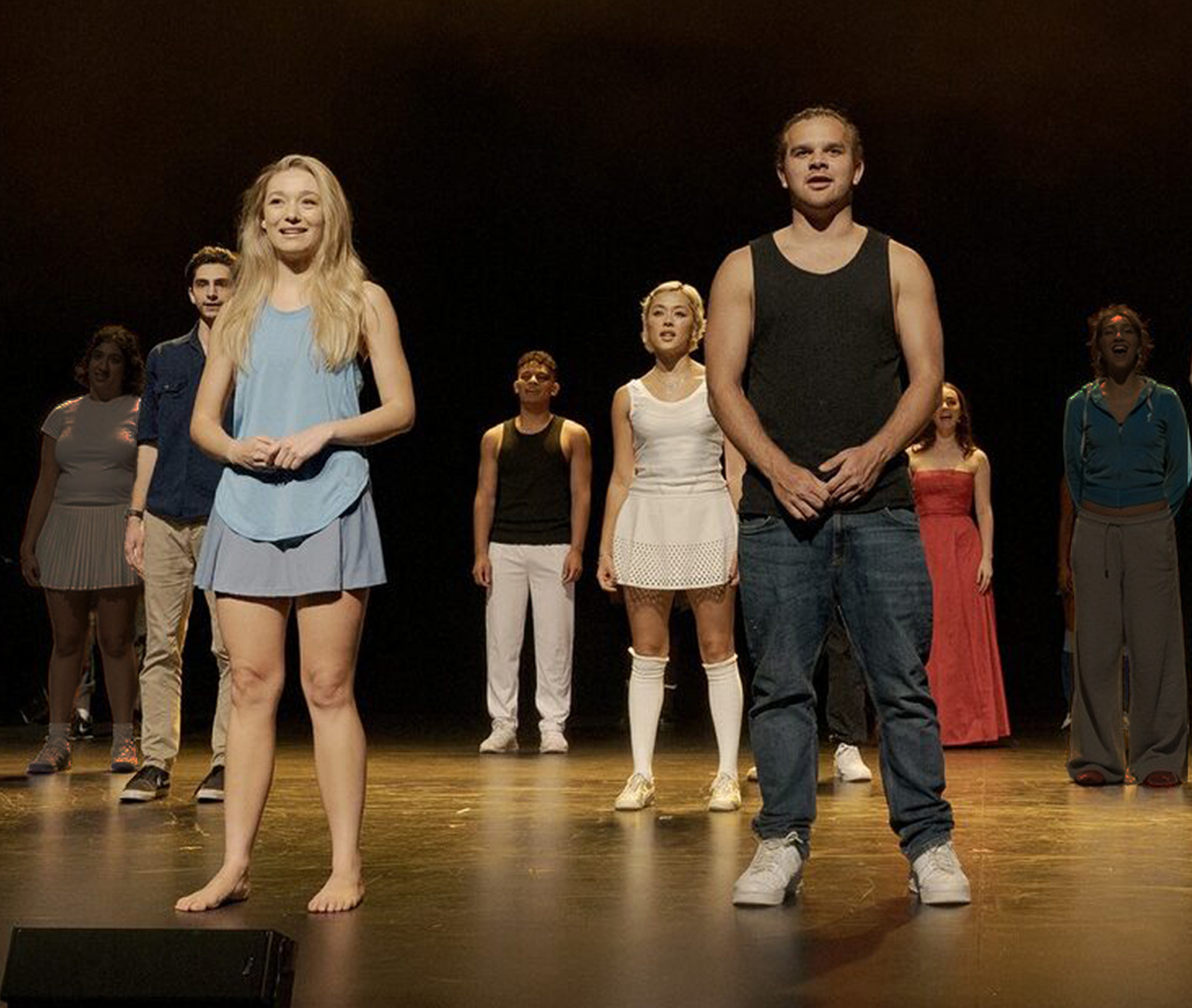
Student theatre can create many opportunities for young people
So, what is it about theatre that creates such bonds between people?
I think the answer resides in the shared vulnerability of eventually facing an audience together. While protecting each other on a football field is quite straightforward, to do so for the stage means building confidence and resilience over time with genuine care and consideration.
It has to be genuine. Insincerity in the theatre is easy to detect. This means a cast of students can bond strongly. For those of you who think student theatre would be a terrible thing to get involved with, given the pressure of HECS loans and the high cost of courses, I suggest you reconsider. It pays off in other ways.
I think the answer resides in the shared vulnerability of eventually facing an audience together. While protecting each other on a football field is quite straightforward, to do so for the stage means building confidence and resilience over time with genuine care and consideration.
It has to be genuine. Insincerity in the theatre is easy to detect. This means a cast of students can bond strongly. For those of you who think student theatre would be a terrible thing to get involved with, given the pressure of HECS loans and the high cost of courses, I suggest you reconsider. It pays off in other ways.
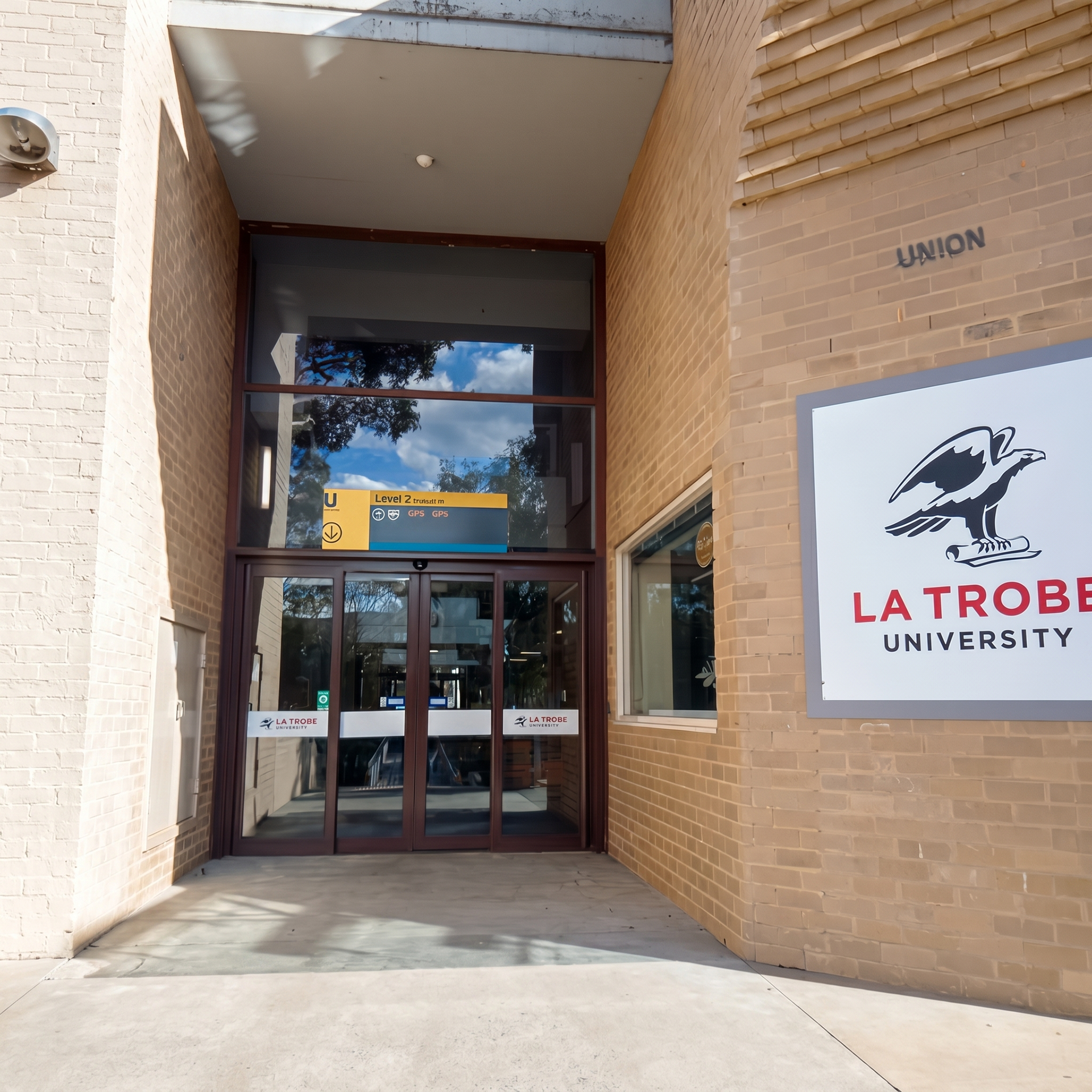
La Trobe University Union building — home of the Student Union.
In 1981, this building (above) played host to the Festival of Australian Student Theatre (FAST).
Among those attending were Adelaide University’s Shaun Micallef as well as founding members of Newcastle University’s Castanet Club long before any of them became famous.
The festival serves to illustrate the productive symbiotic partnership that had evolved between the La Trobe Student Union and the student theatre cohort of the time.
Having La Trobe host the festival was the inspiration of two young women in their early twenties returning from FAST in Brisbane determined that La Trobe should host the event. This was a huge undertaking involving hundreds of delegates, a plethora of workshops for those delegates to attend as well providing accommodation and entertainment. It included a Barry Dickins' play commission.
Sue McClements and Suzanne Kersten had the confidence to take on such an ambitious project because they knew they had support of the Student Union and through the union, the support of the university itself. And thanks to the imaginative program devised by those two young women, the Bundoora FAST was deemed a huge success.
Having La Trobe host the festival was the inspiration of two young women in their early twenties returning from FAST in Brisbane determined that La Trobe should host the event. This was a huge undertaking involving hundreds of delegates, a plethora of workshops for those delegates to attend as well providing accommodation and entertainment. It included a Barry Dickins' play commission.
Sue McClements and Suzanne Kersten had the confidence to take on such an ambitious project because they knew they had support of the Student Union and through the union, the support of the university itself. And thanks to the imaginative program devised by those two young women, the Bundoora FAST was deemed a huge success.

Sue McClements and Suzanne Kersten had the confidence to take on the project
How the Funding Model changed:
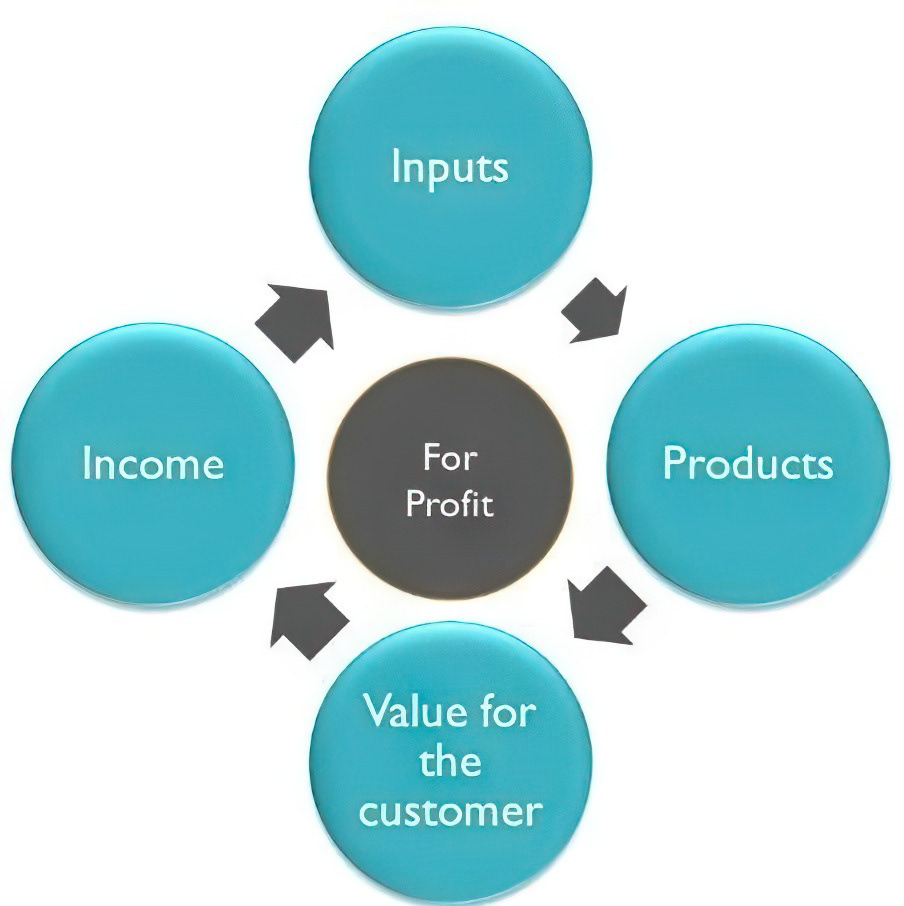
Typical funding model
Up until 1978, funding for student theatre meant accessing handouts like subsidies for performing in the Moat Theatre or going cap in hand to the SRC’s Clubs and Societies committee to beg for a couple of hundred dollars. However, the commercialisation made possible by Chris’ presales to residential colleges and the expanded cast sizes meant the comedy side of things changed all that. Pretty soon, student comedy would come to generate more money each year than the entire annual budget of the SRC’s Clubs and Societies committee combined, far more than was needed. We just had to put that profit to good use. It meant we could afford to contribute to Sue and Suzanne’s FAST initiative. It must be said the Union did even better. Combined with the university, it did the rest when we didn’t have enough.
The following year, we were able to fund a student theatre artist in residence/theatre coordinator, Peter King, who would stage Molière’s The Dispute in the Agora tower. This initiative would not only give old hands a new working experience but attract new participants like Cathy Ford and Sue Thompson. The ability of productions to attract new participants was not lost. The university had started a Drama Course, and the department staged a few productions of their own, usually text based. They also provided a new space in which to rehearse and perform that students could use. The Union hadn’t finished making their contribution though. The Wimmin in Theatre (WIT) initiative was a project enthusiastically supported by Fran Kelly and the rest of the Union Activities office (Yes, the Fran Kelly). WIT would eventually stage a marvellous production in the Organ Factory at Clifton Hill. This attracted new participants like Shirley Billings and Annie Maver. It also gave old hands like Marg Dobson and Edwina Entwistle a new way of working.
The following year, we were able to fund a student theatre artist in residence/theatre coordinator, Peter King, who would stage Molière’s The Dispute in the Agora tower. This initiative would not only give old hands a new working experience but attract new participants like Cathy Ford and Sue Thompson. The ability of productions to attract new participants was not lost. The university had started a Drama Course, and the department staged a few productions of their own, usually text based. They also provided a new space in which to rehearse and perform that students could use. The Union hadn’t finished making their contribution though. The Wimmin in Theatre (WIT) initiative was a project enthusiastically supported by Fran Kelly and the rest of the Union Activities office (Yes, the Fran Kelly). WIT would eventually stage a marvellous production in the Organ Factory at Clifton Hill. This attracted new participants like Shirley Billings and Annie Maver. It also gave old hands like Marg Dobson and Edwina Entwistle a new way of working.
Suzanne too came up with a production that featured a new way of working. Playback Theatre was in its infancy globally at the time as a form of theatre therapy. Suzanne, however, adapted it as a means of generating original work. This was considered a world first. Random memories from birth to adulthood were used as the basis for the performance called Remains To Be Seen.
Suzanne and the cast remain like family to this day. John Considine, Rosie Vaccaro, Mike Lewis, Kathi Edwards, John Cheshire, Stephanie Deeley and Edwina Entwistle.
Why get involved?
For those of you who think Student Theatre would be a terrible thing to get involved with given the pressure of HECS loans and the high cost of courses, we would like you to reconsider, as it can pay off in other ways.
Getting involved doesn’t hinder your personal development. it enhances it. You only have to read the “Was it all worthwhile” section below to see how.
Was it all worthwhile?
Yes, it was a different time and thanks to Gough Whitlam, university was free and La Trobe was largely populated with working class kids who were often the first in their family to attend university. The campus was therefore an interesting place to be in its own right.
It should be pointed out in the first instance that participation in student theatre did not really stop anyone pursuing their chosen profession whether it was teaching, clinical psychology or something else. Many could study and perform at the same time. Some, however, did prefer to pursue theatre rather than their studies. This certainly had an effect on life after university for those people, and not all of it bad.
For those of you who think Student Theatre would be a terrible thing to get involved with given the pressure of HECS loans and the high cost of courses, we would like you to reconsider, as it can pay off in other ways.
Getting involved doesn’t hinder your personal development. it enhances it. You only have to read the “Was it all worthwhile” section below to see how.
What happened after uni?
After directing the La Trobe revue Sue went on to start the ball rolling with a revue at RMIT when she as appointed Student Theatre Coordinator there. She later ran the South Melbourne Gasworks complex and earlier had stints at Unley Youth Theatre in Adelaide and the Murray River Performing Troupe in Albury and Anthill. Sue later moved to Switzerland where she completed a PhD on Australian theatre.
Suzanne, however, along with her partner Julian, would ultimately create an immersive theatre company that is today renowned and commissioned the world over. After Uni, Leonie joined Theatreworks and wound up teaching drama at Xavier College for years. Rafik rose high in the McDonalds organisation worldwide, launching them in Indonesia and elsewhere in South East Asia. Perhaps not so surprisingly, Chris rose to the top of Australia’s advertising industry, running Clemenger’s Melbourne office. Marg Dobson would go on to create award winning one-woman theatre shows. Edwina would eventually do a PhD in theatre therapy but not before touring the world with the Secret Policewomen comedy troupe. And who knows, perhaps we helped inspire a regular audience member, Sue McClements’ little sister Catherine to become one of Australia’s most accomplished actresses.
Years later in the late nineties, when Shaun Micallef first joined the cast of Full Frontal, he and Gary McCaffrie, already a writer on the show, successfully put forward Mike as a support writer where he continued to enjoy writing TV comedy for a number of years. Also on the writing team he discovered Brendan Luno, many years earlier directed by Leonie in the Architects Revue and Michael Ward, who was originally inspired by Sue McClements at RMIT. Following his stint at Full Frontal, Mike was able to sell Channel Seven the most expensive comedy pilot in Australian TV history, a science fiction puppet show written by Shaun and Gary and directed by Ted Emery. It’s worth noting Mike’s entire foray into television had all stemmed from those enduring friendships first struck up when recruiting for FAST all those years ago. Student theatre can prepare you for life after university in ways you least expect.
It must be emphasised that friendship is the key tangible you gain from the extra-curricular involvement in student theatre.
As discussed previously, due to its very nature, theatre creates friendships that literally last a lifetime. The La Trobe cohort still keep in contact with each other some forty or fifty years later, so do the South Australians. Student Theatre also delivers on other tangibles like self-confidence and presentation skills.
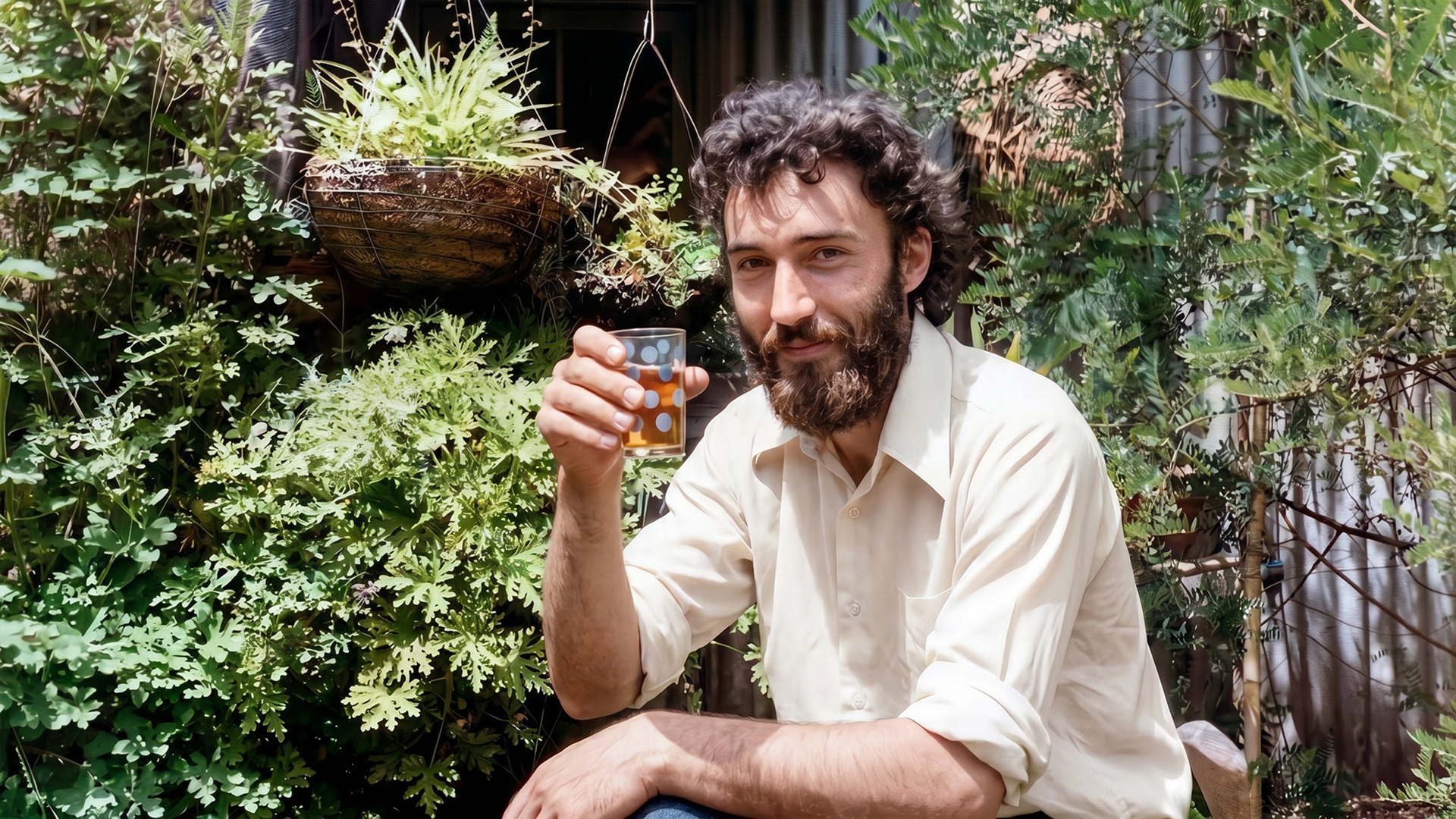
Mike Lewis
The Blueprint for success
If there is a blueprint we can leave behind for today’s students, it’s to partner with the remnants of what the Student Union once was. It seems to have been absorbed into the university administration somehow and is charged with the responsibility of delivering the student experience. This is an essential partnership to nurture. They can help you get things done.
The rest of the blueprint starts with cooperation among yourselves. Realise you are all on the same side. So rather that compete with each other, work together. Revue comedy can drive the biggest box office, enough to ensure there is enough money around for everybody. Revue casts are therefore best inclusive and large. Anyone in a large cast can be made entertaining with the right director and choreographer. We had Sue and Suzanne. Getting a laugh is definitely easier with a large packed audience. The maths is straightforward. Most students can invite 100 people to a party. So even half that number for each cast member gets you a big audience.
With other forms of theatre, small audiences can work just fine. When choosing a performance space, it is best if the audience does not feel inadequate for the seating available. Other than that however, there are no rules.
The real commitment you need to make is to each other as everything else flows from that. In the end, just go for it. A community of students all on campus is a place where you can make things happen. All you need is a performance space, a committed cast and an idea.
By Michael Lewis — 2026